Equity markets are often seen as the path to build wealth over many years.. A well-balanced investment portfolio does not have to rely only on stocks. Bonds and other fixed‑income securities give investors earnings, more stability and protection against swings in equity markets. For investors learning about bonds can open a new way to put money to work beyond just equities and mutual funds.
A bond is basically a loan that an investor gives to a government a company or another eligible issuer. In return the investor receives interest called the coupon. The principal is usually paid back when the bond reaches maturity. Unlike a shareholder a bondholder does not own a portion of the issuing company. The return, from a bond mainly comes from interest earnings. If the bond is sold before maturity from a possible capital gain or loss.
How Bond Investing Works
A bond with a face value of ₹10,000 pays a coupon of 7%. This means the investor gets ₹700 every year as interest long as the terms of the bond are followed. When the bond reaches maturity the issuer will pay back the ₹10,000.. It’s important to know that the coupon rate is not always the same as the actual return the investor ends up earning.
The price at which a bond is bought changes how return the investor gets. For example if the same ₹10,000 bond that pays ₹700 a year is bought for ₹9,500 the investor is getting than 7% in return relative to how much they paid. That’s because they are paying less, than face value but still getting the interest and principal back.
This is why investors should not just look at the coupon rate. They should also check the Yield to Maturity or YTM. YTM shows the return an investor can expect if they hold the bond until it matures. Comparing bonds using both the coupon rate and YTM gives a picture of which bond might be better.
Government Bonds: A Lower-Credit-Risk Option
Government securities play a role in India fixed-income market. Retail investors can use the RBI Retail Direct platform to get into instruments like Treasury Bills, dated Government Securities and State Development Loans. This platform lets regular people take part in both the secondary markets for government securities.
Government securities are usually seen as having credit risk, than corporate bonds since they are made by governments.. Less credit risk doesn’t mean their prices stay the same. Their prices can go up or down when interest rates change, for longer-maturity securities. For people who want stability of their money and steady income government securities can be a key part of a well-rounded investment plan.
Corporate Bonds: Higher Yield, Higher Risk
Companies issue bonds to raise money for expansion to refinance existing debt or to fund business operations. In return investors receive interest and repayment of principal according to the terms of the bond.
Corporate bonds may offer yields than government securities. However the extra return comes with risk. The important risk is credit risk, which is the possibility that an issuer may delay or fail to make interest or principal payments. Issuer quality becomes extremely important. Investors should not choose a bond solely because it offers the highest coupon or yield. A higher yield may indicate that the market is demanding compensation, for greater credit or liquidity risk.
Why Credit Rating Matters
Credit ratings help investors understand how reliable a bond issuer is in paying back its debt. Bonds with ratings are usually seen as safer because they have lower credit risk. On the hand lower-rated bonds tend to offer higher returns but thats because they come with more risk.
But it’s important to remember: a credit rating does not mean the issuer will always repay. It’s one part of the picture. Investors should also look closely at the issuer’s health. That includes checking how debt the company has whether it’s making a profit and if it has enough cash to meet its payment obligations.
A good way to start is to consider four things the credit rating the company’s financial strength, its total debt and how well it covers interest payments with its cash flow. Looking at all these factors before buying a bond can help investors make smarter decisions instead of just going for the highest yield, on the surface.
The Interest Rate and Bond Price Relationship
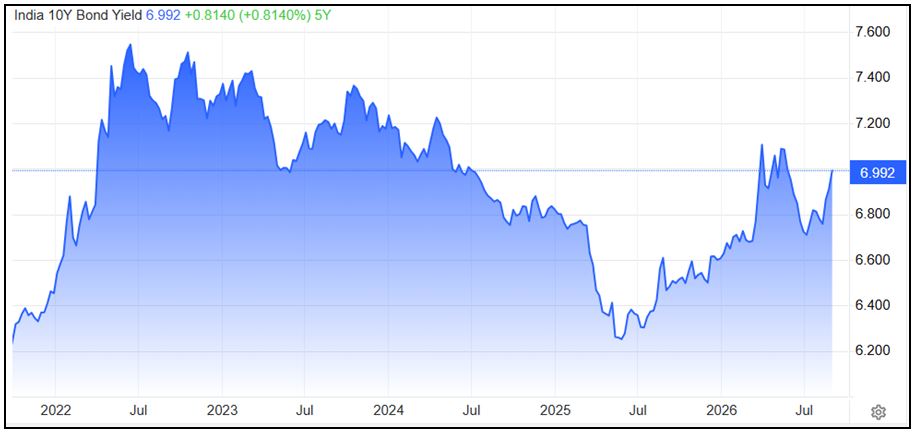
One of the important ideas in bond investing is the opposite link between interest rates and bond prices. When market interest rates go up the price of a bond usually goes down. When interest rates go down the price of a bond usually goes up. Suppose an investor owns a bond that pays 7 percent interest. If new bonds start giving 8 percent the old 7 percent bond is less attractive. The price of that bond may fall so that the real yield of that bond moves closer to the rates. On the hand if new bonds give lower rates a bond that pays a higher coupon can be more attractive and the price of that bond could rise. This is very important for investors who want to sell a bond before it matures. Investors who keep a bond until it matures are usually more concerned, about getting the promised interest and principal long as the issuer keeps its obligations.
Duration and Maturity
The maturity period of a bond is a factor. Usually bonds with duration feel the impact of interest‑rate changes more than bonds, with shorter duration. Thus investors should pick the maturity that fits their investment horizon and what they expect about interest rates.
For example an investor who might need the money in two years should be careful not to lock an amount into a long‑maturity bond just because it gives a slightly higher yield. On the hand a long‑term investor might look at longer‑duration securities if it fits their overall portfolio plan. Understanding duration helps investors see how strongly a bond’s price can move when interest rates change.
Liquidity: An Important Consideration
Liquidity is another factor that retail investors often overlook. Some bonds may not trade frequently in the market. If an investor needs to exit before maturity finding a buyer at a price may be hard. This can lead to the investor selling the bond for less, than what it’s worth. Therefore before investing investors should check whether the security has a market and understand how tough it might be to sell before the bond reaches maturity.
Where Bonds Fit in a Portfolio
The biggest advantage of bonds for equity investors is diversification. An investor who has a portfolio that is mostly made up of equities can use fixed-income securities to add another source of income. This can also help lower the risk and fluctuations in the value of the portfolio.
Bonds should not be seen as a full replacement for equities. Equity investments can grow in value over time which helps build wealth. Bonds on the hand are more about generating regular income and keeping the value of the investment stable. The right mix depends on the investor’s goals, how they plan to invest how much risk they can handle and how quickly they might need access, to their money.
For example a young investor who has years ahead may keep a larger part of their portfolio in growth-focused assets.. Someone who is nearing a financial goal, like retirement or buying a home might choose to increase their holdings in safer fixed-income instruments.
Conclusion
Bond investing can give people a way to make money on a regular basis. It also helps them spread out their investments beyond stocks. Government bonds can have chance of default. Bonds from companies might give more money back. However they come with chances of problems with the company and with selling the bond quickly if needed.
The main thing, for doing with bonds is not just looking for the biggest interest payment. People who want to invest in bonds need to learn about YTM, the chance that interest rates will change how long until the bond is paid back how good the company is, when the bond is due and how easy it is to sell the bond before it’s due. They should know all these things before putting their money into bonds.