Gold has always held a place in Indian homes. It is seen as a way to save wealth and also as a smart financial move. In the past people usually bought gold in the form of jewellery or coins. Now there are other ways to invest in gold without holding physical metal. Investors can use products like Gold ETFs and Sovereign Gold Bonds. Both of these are tied to the price of gold, in India. Still they are not the same. They differ in how they work how income they give how easy it is to sell them how taxes affect them and what conditions apply for investing. Knowing these differences helps retail investors make choices. It helps them pick the option that fits their goals better
What Are Gold ETFs?
Gold ETFs are investment funds that’re available on stock exchanges. These funds are designed to follow the price of gold that is available in the country. The funds usually own gold that has a certain level of purity. This allows people who want to invest to benefit from changes in the price of gold without having to keep the gold. People can buy parts of these funds using a demat account and a trading account like when they buy shares that are listed. Each part of the fund shows that the investor owns a portion of the gold that the fund has. However the price of each part in the market might not be the same as the value of the gold because of costs how much people want to buy or sell and small differences, in how well the fund follows the price of gold.
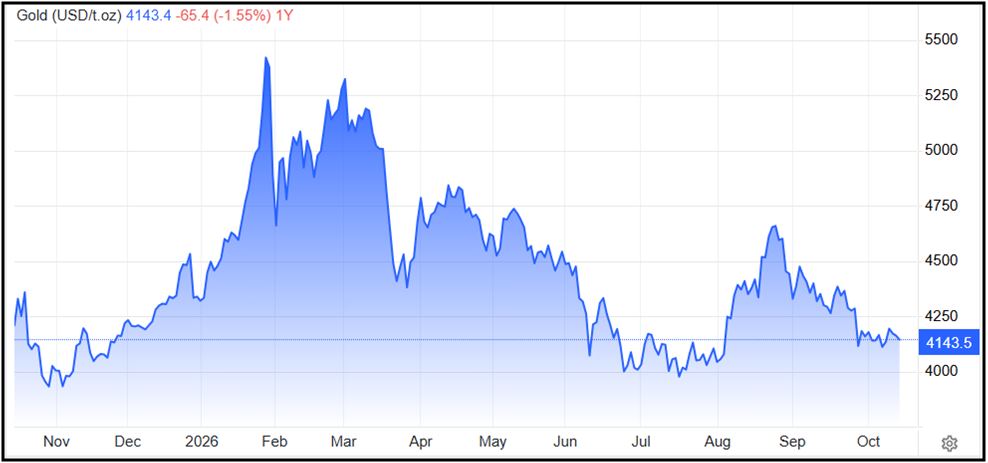
Gold ETFs are convenient for reasons. Investors can sell Gold ETFs during market hours as long as the exchange has enough liquidity without having to think about jewellery-making fees, physical storage or purity checks. Gold ETFs also allow investors to make investments and to adjust portfolio allocations when needed. However Gold ETFs come with costs such as the fund’s expense ratio and brokerage or other transaction fees. Because of these costs and tracking error the returns of Gold ETFs may be slightly different, from gold prices. Therefore investors should compare the expense ratios tracking performance and trading liquidity of Gold ETFs before choosing one.
What Are Sovereign Gold Bonds?
Sovereign Gold Bonds are government securities that are measured in grams of gold. They are issued by the Reserve Bank of India on behalf of the Government of India. Of owning physical gold investors buy a security. The value of this security, at redemption is tied to the gold price as set by the terms of the scheme. The first version of the scheme provided a fixed interest rate of 2.5% on the initial investment. This interest is paid every six months. The interest does not depend on whether the price of gold goes down. The interest rate and the terms can change depending on the bond series
SGBs were created for people who want to have exposure to the price of gold over a time. The original time period, for these bonds is eight years. After the year there is a way to redeem them early on specific dates when interest is paid. Investors might also have the option to sell the bonds that are listed on stock exchanges. However the price they get and whether there are buyers can be different. A key thing that new investors should keep in mind is that it is not certain that new SGBs will be offered by the government. Anyone thinking about buying existing SGBs in the market should check the time left until they mature the current market price, the interest that has built up and how easy it is to sell them before deciding to invest
Gold ETFs vs SGBs: Understanding the Key Differences
The biggest difference between these tools is the way they make money. Gold ETFs mainly give you a chance to benefit from changes in the price of gold with costs and fewer mistakes in following the price. SGBs give returns that are connected to the price of gold and also give interest income as was planned when they were first made. This extra money can make the total return better than an investment, in gold but it doesn’t stop you from losing money if the price of gold goes down.
Liquidity is another difference. Gold ETFs can usually be sold on stock exchanges during regular market hours. This gives investors a lot of flexibility. SGBs even though they are listed often trade at a discount or premium to their gold value. Some series also have trading volumes. Because of this an investor who needs to sell before the maturity date might not get the expected value.
The time frame, for investing also plays a role. Gold ETFs can be good for people who want to add money adjust their investments or keep things flexible. SGBs were made mainly for people who plan to hold them for a time. Investors who buy SGBs should not think they will get the same advantages as someone who bought the bond when it was first offered especially when it comes to taxes and when the bond ends.
An Illustrative Example: How Returns Can Differ
Suppose an investor puts ₹1,00,000 into gold when the price of gold is ₹7,000 per gram. Without considering any costs and without worrying about the difference between the price of the investment and the actual gold value this means the investor has a stake in 14.29 grams of gold. If the price of gold goes up by 15 percent the value of the investment would go up to about ₹1,15,000. If the price of gold goes down by 15 percent the value of the investment would drop to, around ₹85,000.
A Gold ETF investors real return will depend on the ETFs market price, expenses and tracking difference. An SGB investor can also get interest based on the bonds terms. For example at a 2.5% interest rate on an initial investment of ₹1,00,000 the annual interest would be ₹2,500 before tax. This is an example of the schemes interest structure, not a claim that every SGB available in the market currently provides the same return. Gold-price movements can be more important, than the interest received. Neither instrument ensures a profit.
Taxation: An Important Factor in Choosing
Tax treatment can have an impact on the final return from an investment. In my view Gold ETF gains are usually taxed as capital gains. The exact tax treatment depends on the acquisition date the holding period and the tax rules that are, in force. Investors should not assume that Gold ETF behaves like equity-oriented funds in tax terms
SGB taxation needs care. According to the tax rules that come into effect on 1 April 2026 the capital gains exemption on redemption at maturity is limited to individual investors who bought the bonds at the original issue and held them until maturity. This exemption does not apply to bonds bought through secondary-market transactions or to those redeemed early. SGB interest is subject to income tax as per the tax rules. Investors must look into the regulations and the specific bonds purchase history before taking any decision. Tax rules can change,. The return after tax is more important, than the stated return
Risks Every Investor Should Understand
Neither instrument is risk‑free simply because gold is often considered an asset. Gold prices can change because of interest rates movements in the US dollar central‑bank purchases, geopolitical developments and investor demand. Gold ETFs also carry tracking and liquidity risks. SGB investors face considerations, such, as the risk of selling at an unfavourable market price before maturity and the opportunity cost of staying invested when other assets perform better
Gold does not produce business earnings or dividends. In a portfolio gold is mainly used for diversification and possible protection when the economy or market is uncertain. Gold does not promise income or continuous growth. Investors should not put all of their money into gold. They should think about their goals how long they plan to invest and how much they can handle price changes
Which Investment Is More Suitable?
Gold ETFs can be a choice for investors who like to have flexibility, easy access to the stock market and the option to change how much gold they own. They are especially helpful when you need access to cash and want to manage your investments easily. SGBs could be something to look at if you already own qualifying bonds or can buy a series at a good price and plan to keep it until it matures. But you need to check the price, in the market how long is left on the bond and if its tax-friendly.
Gold ETFs and Sovereign Gold Bonds give ways to invest in gold. Gold ETFs focus on being easy to use and flexible. Sovereign Gold Bonds were made to give exposure to gold price, also pay interest over a long time. Gold ETFs and Sovereign Gold Bonds can have very different returns, liquidity and tax outcomes. Retail investors should evaluate these factors alongside their portfolio allocation and financial goals. A informed decision is not simply about choosing gold; it is, about selecting the investment structure that best fits the investor’s needs time horizon and risk tolerance.